Showing posts with label 3D printers. Show all posts

Thursday, 7 February 2013

3D Printers: An Economic Game-Changer Pt 2


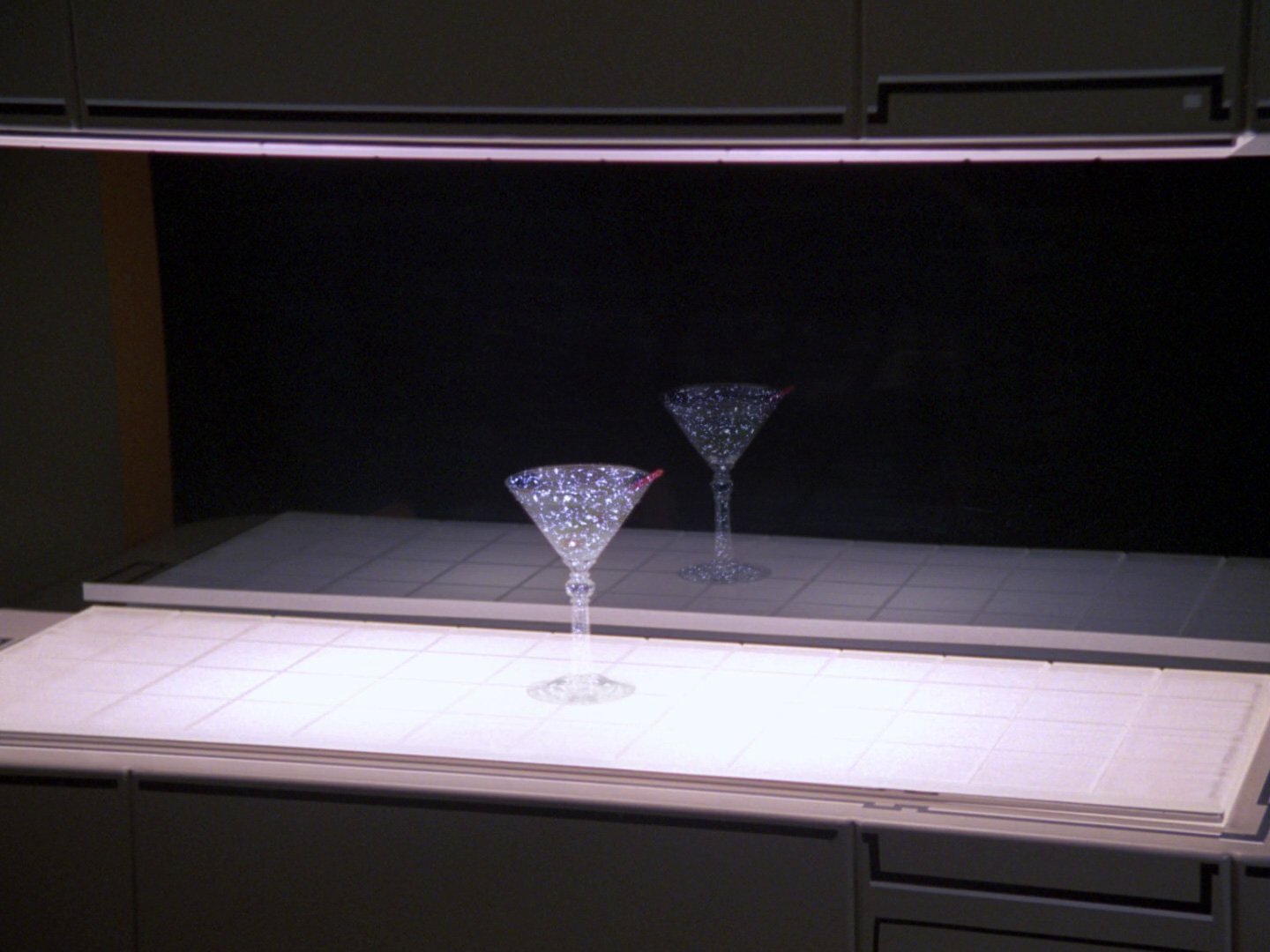
Previously I spoke about the current state of 3D printing and rapid prototyping. It’s a fascinating field; right on the cusp of a revolution which I believe will profoundly change the world we live in. Conventional Economics is in for a shake up and for better or worse thing will be very different in ten, twenty or fifty years time. In my more optimistic moments I envision a utopian world not dissimilar to Star Trek where universal replicators can create anything we want and people are freed from labour to engage in only the most worthwhile pursuits. The cynic in me on the other hand sees endless litigation and licensing laws put in place by a dwindling manufacturing sector to try to throttle the progress of desktop prototypers. I could draw endless analogies with big media’s attempts to fight online piracy and indeed the manufacturing sector having seen what’s becoming of Hollywood’s fight for its intellectual property will be watching the growth of hobbiest 3d printers with suspicion. If I were to make a copy of a gadget which was molecularly identical to one designed by apple or Samsung (to name two apparently litigious companies) I would be stealing right? That said who’s going to know or stop me for that matter? If the rise of the internet has thought us anything it’s that for every attempt to protect IP by a big company there’s a thousand new ways to circumvent it. 3D printing will be the same. There will be endless attempts to curtail it but in the end anyone who wants to pirate a design can and will be it a beanie baby or a gun.
So where does that leave us. In a world where information is free and material goods are becoming freer every day what place will be left for large manufacturing firms? Not much. They’ll be pushed into the margins becoming more specialized making niche items of high value, exotic materials or things that are too big to fit in your desktop printer. The 3rd or is it 4th industrial revolution is coming and there simply won’t be a place for many of these obsolete firms just like there isn’t much of a place for cottage industry nowadays. I won’t quote Marx here but he was pretty keen on people owning the means of production, maybe he was just a century or two out.
Innovation is likely to skyrocket in the fields of product design and engineering when everyone has access to the machines. Anyone with an idea will be an inventor or an artist. Crowdsourcing of designs will be the norm of the day. I can see a system where after downloading an object from an online repository such as thingiverse today people will simply post their feedback and subtle changes will be made to the design. The next person to download it won’t get the wonky power button for example.
Finally one of the most intriguing aspects of 3D printers will be their ability to reproduce themselves. Because of this conventional economics won’t apply. There will be a tipping point where they achieve the ability to reproduce and at that point their numbers will explode. Everyone who wants one will have one. As great as that sounds I like to think a bit beyond households full of gadgets. I can imagine a shipping container with a generator and 3D printer being dropped into disaster zones to rebuild them. Dropped into remote villages to develop them and hopefully someday dropped onto other planets to build on them and maybe even terraform them. That’s only possible with machines that can reproduce otherwise the initial investment of time and energy would be too high. The possibilities are fascinating and the best part is we’re only a few years from seeing the first real impacts of these machines. 

Wednesday, 6 February 2013

3D Printers: An Economic Game-Changer Pt 1

There's a storm brewing in the world of manufacturing. Its a slow steady build up of clouds on the horizon, slow because F=Ma. Truly massive things take a long time to get up to full speed. 3D printers and the technology of rapid prototyping have existed for several years but the amazing (sometimes frightening) implications of these extraordinary machines are only now coming to the fore. There are many parallels  between this imminent revolution and the one which propelled computers out of university labs and onto desks and laps everywhere. 3D printers are right at the point where PCs were just before Bill Gates and Steve Jobs turned them into big business. They're sitting in workshops and hacker-spaces all over the world but have yet to make the leap into the realm of household appliances. The truth is they just aren't good enough. Not everyone is a hacker/tinkerer just like in the 70s not everyone was a programmer willing to invest time, effort and money into getting the damn thing to work. They still aren't but we overcame that with GUIs. The hobbiest 3d printers on sale today are too slow, too complicated to use and too limited in what they can produce. For now.
  Presently these little machines can only make small plastic items, just toys and simple parts for little gadgets and machines but when you have a million intelligent creative people working with these machines how long will it be until they are routinely printing with metal or begin printing circuitry straight into the parts they make?
 The first steps out of the the simple and plastic have already been taken. Accuracy improves with every new model that comes out. 100 micron resolutions are becoming common in the hobby community. The range of materials too increases. The University of Warwick has developed a 3d printable carbomorph material which conducts electricity and changes its properties when heated, compressed etc. With the right electronics attached the material can act as buttons, temperature probes, or anything else which would have required a conductive metal part before. With two extruders on your printer you can now print the bones of a circuit in the same pass as the structural material. The engineering possibilities of this should be obvious. No more seams in your gadgets for example. Engineers in Bath University started a project to design a 3d printer which can print almost all of its own parts! It's not quite there yet. There's still a lot of parts it can't make. the metal bearings and complex electronics are for now beyond the plucky little rep rap but its getting there. The implications of having a machine on your desk which can produce anything you can think of including a clone of itself are staggering. In part 2 I will explore some of these effects some with precedent already and some that are speculative.